AI & Automation
How AI receptionists are changing small businesses.
A better first response starts with a better system. Where voice AI can help, where people still matter, and how to begin.
Read the storyStrategy, design, AI, automation, marketing
and technology from ZXP.
A better first response starts with a better system. Where voice AI can help, where people still matter, and how to begin.
Read the story
A seasonal page needs a plan for capacity changes and closing day. A fictional four-state card shows what to say, where visitors go and who checks the update.

Decide what a visitor can commit to before choosing the website button. A fictional service worksheet separates a confirmed appointment from a request that needs review.

A fictional before-and-after report shows why more recorded enquiries need a closer look when advertising spend and the definition of an enquiry also change.

A page opening in a browser does not prove indexing or rankings. Use a dated evidence card to separate public access, stored search data and a live test.

Plan useful photographs before collecting files. A fictional workshop brief connects each image to its page purpose, framing, usage record and acceptance check.

Choose how an already suitable booking service appears on your website. Compare the actual phone route, appointment context, recovery options and result.
Give content changes, technical updates, renewals and customer-path checks a named owner. A fictional matrix shows what triggers the work and what evidence closes it.
Keep service facts aligned across English and French pages, menus and forms. A fictional change register shows who reviews an update and when it is ready to publish.

Follow one stock reference from the inventory card to the received enquiry. A fictional review record helps your team check availability changes and resolve mismatches.
Before accepting a spam-control change, test whether a genuine enquiry can complete, recover from an error and reach your team. A fictional log shows what different failures mean.

Where customers visit, where you travel and where you work remotely call for different website information. Use three fictional businesses to plan accurate geographic content.
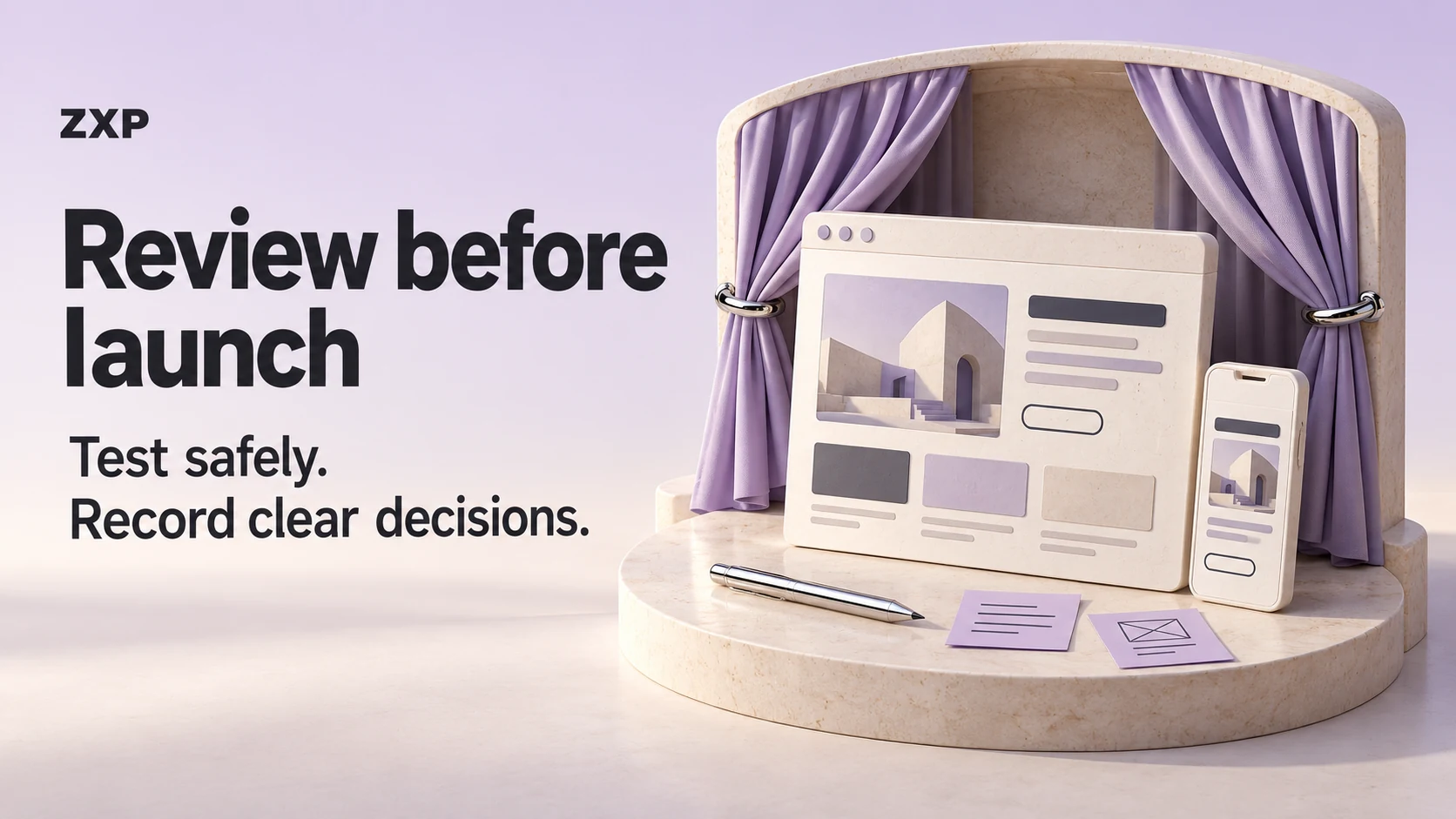
Check what the preview is ready to demonstrate, avoid unintended messages and turn findings into clear decisions. Includes fictional review notes and a plan for live rechecks.

Match portfolio examples to the work your website needs to do. Use a practical worksheet and three hypothetical examples to clarify what is demonstrated and what still needs an answer.

A new website can keep the same email service, but shared settings and bundled accounts need care. Identify what is changing before the move is approved.

A menu can look tidy and still make a simple enquiry difficult. Use realistic tasks and a clear repair note to find out where the route breaks.
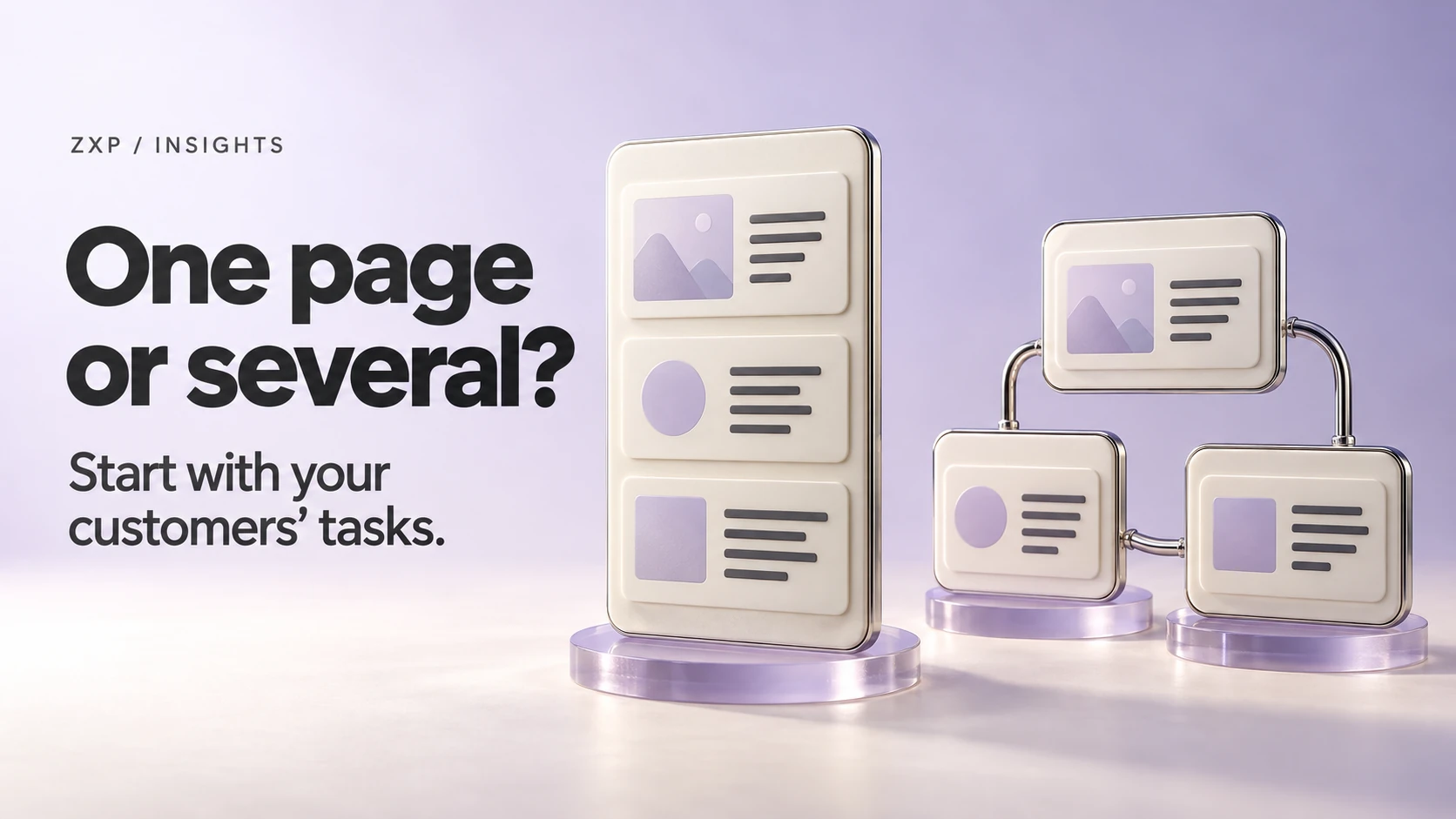
One page may suit a focused offer. Distinct services or locations may need separate destinations. Use three fictional task maps to work out your website scope.

A worked fictional repair-page example shows how to replace vague promises with the facts a customer needs before asking for a quote.
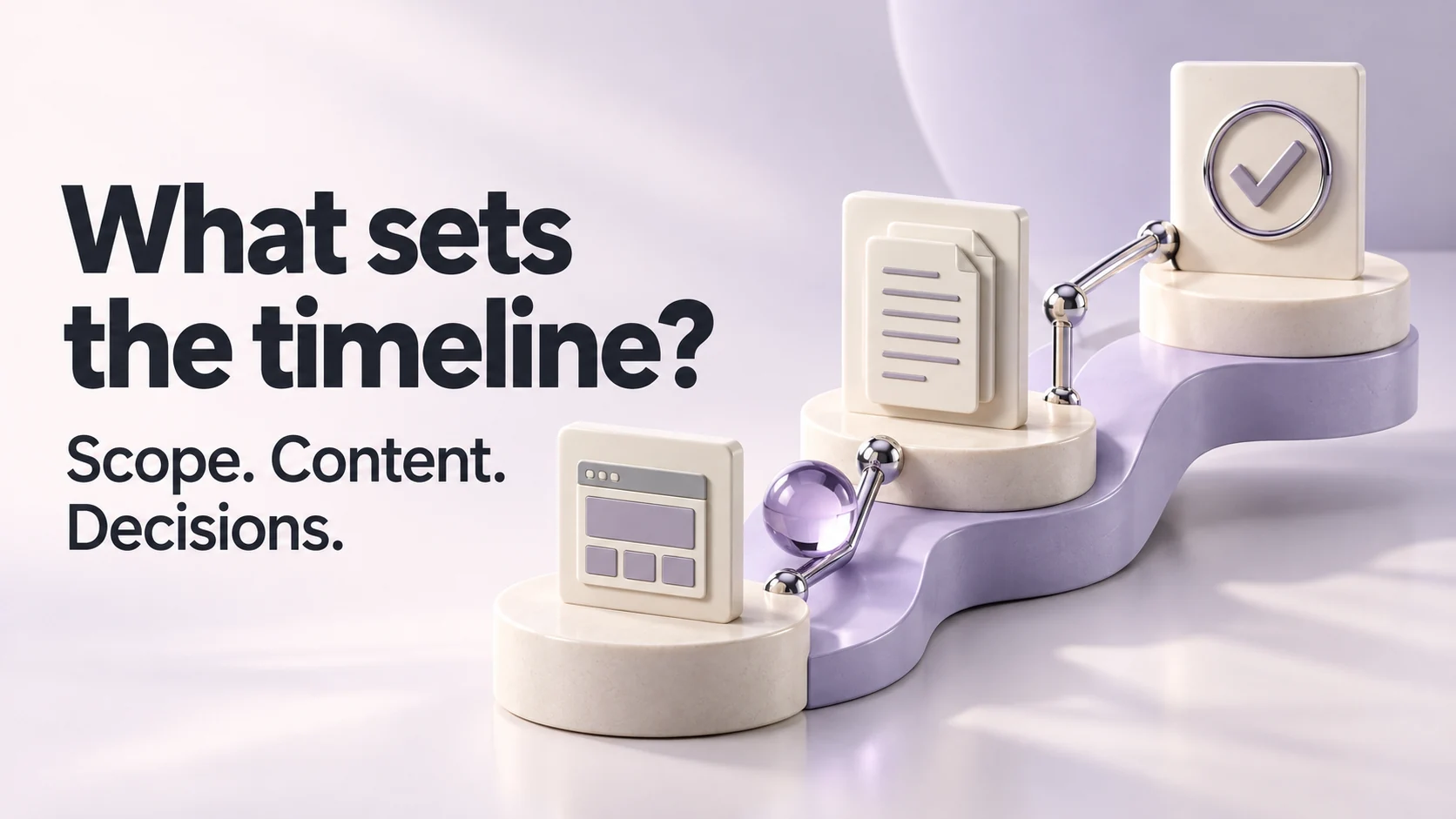
A useful website schedule shows what each milestone depends on. Follow a fictional service-business redesign to see what can move in parallel and what changes when booking is added.

Use five practical demonstrations to check your website handover. Find the renewal contact, practise a safe edit, trace an enquiry and identify recovery and support owners.
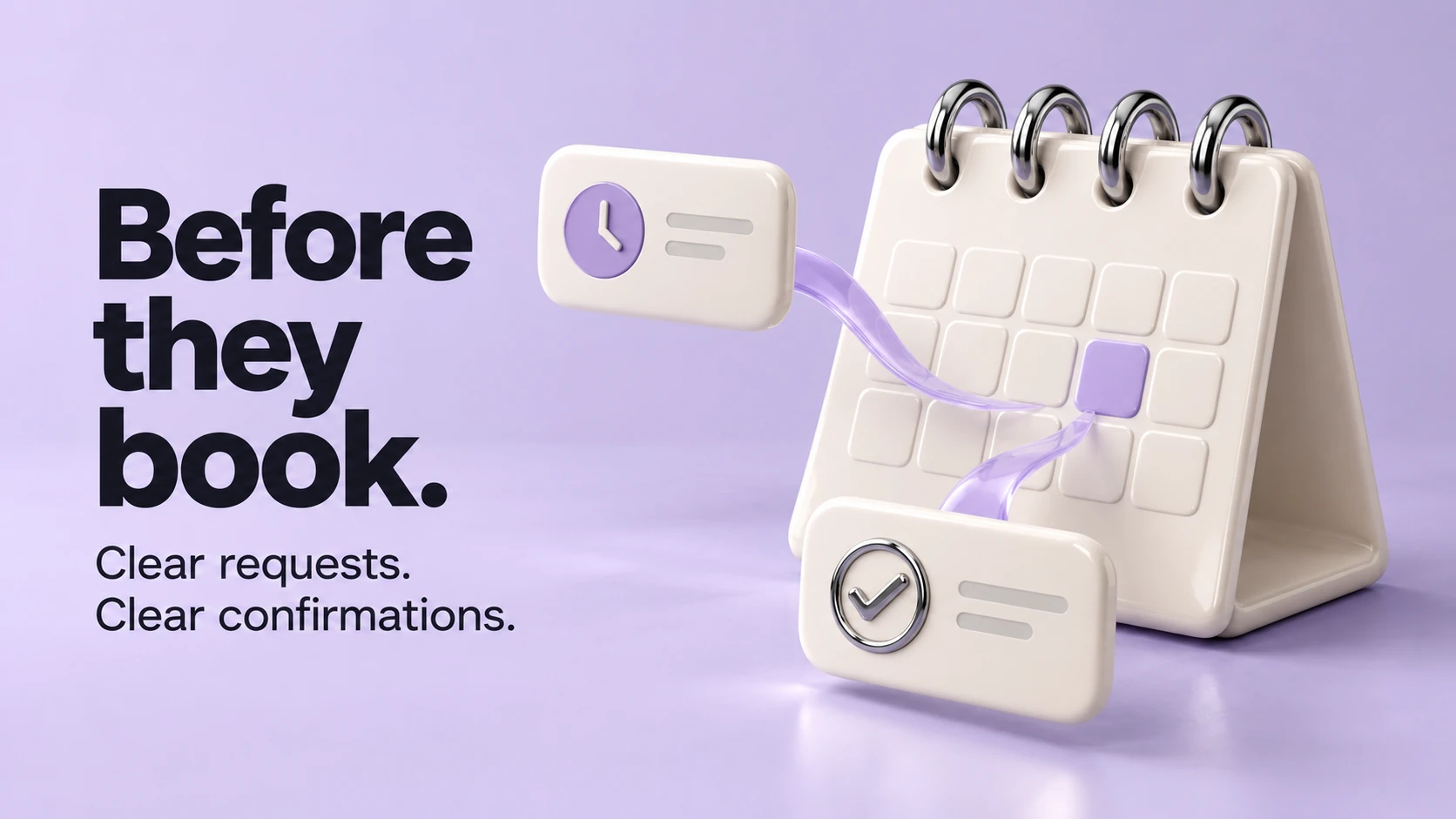
Make the public booking promise match the clinic’s actual process. Review the handoff, request and confirmation wording, and what visitors see when no times appear.

You can prepare a useful website handoff before every sentence is polished. Build a page-level packet of confirmed answers, usable images, approvers and visible open decisions.

A new landing page is not always the first thing your campaign needs. Compare three page options against the ad promise, with fictional garage examples.
Search clicks, website sessions and received enquiries answer different questions. Learn which report to use and what to check before changing your website.
Decide what your team needs before asking a customer for it. A fictional garage form shows which details belong now, which are optional and which can wait.
Trace one enquiry from your service page to the person who handles it. Use the test worksheet to separate delivery faults, tracking errors and visitor-fit problems.

Before the old site changes, record what customers still use. This worked preservation register connects each page, file and contact route to a decision, owner and acceptance test.
A better first response starts with a better system. Where voice AI can help, where people still matter, and how to begin.
A practical way to plan your website budget around scope, content, integrations, and the work that happens after launch.

Two ways to reach people searching for what you do. Choose their roles based on your goals, time horizon, and ability to measure enquiries.

Start with repetitive work that has a clear input, a useful output, and a person responsible for checking the result.

Clarity, rhythm, and carefully chosen details. A look at the design decisions that make an experience feel considered.

Useful answers and thoughtful handoffs can reduce friction. Begin with the questions people actually ask.

Loading, responsiveness, and visual stability shape the experience. Here is what to measure and where to begin.

A connected business starts with clear responsibilities and dependable handoffs, then adds the technology that supports them.
Turn a new perspective into your next step.